Basics of Grammar
Didn't post since a long time as I was feeling lazy.....Today went for an interview as a Primary teacher and failed miserably :(... I was overconfident in my English and didn't do any preparation. Unfortunately, I couldn't answer simple basic grammar questions as its been out of touch for a while. Hence posting some basic grammar rules which will be beneficial in the long run.
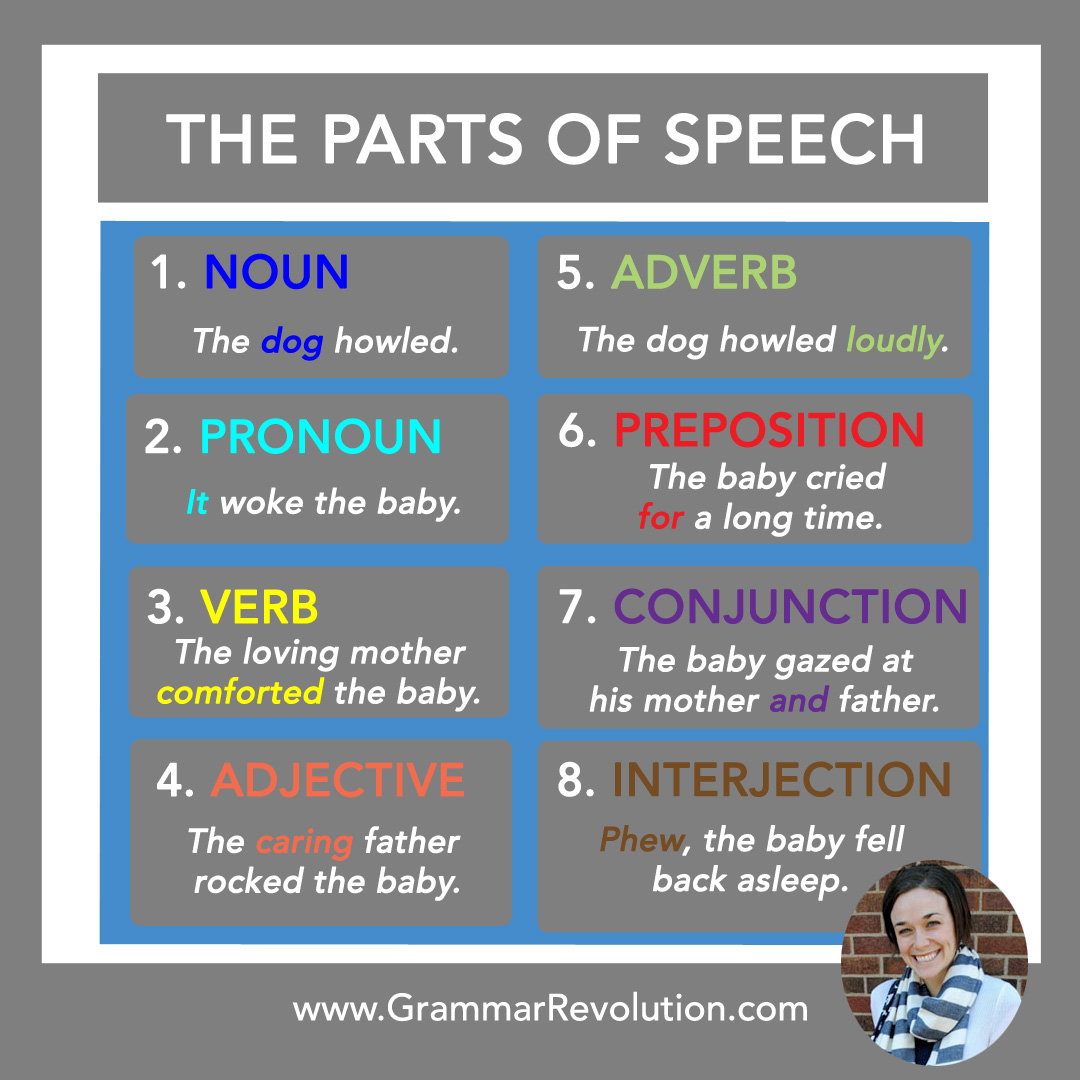
Nouns
A noun names a person, animal, place, thing, quality, idea, activity, or feeling. A noun can be singular, plural, or possessive. For example:
- This book is filled with intrigue and interest.
- Please light the fire.
- I'd like some ice in my tea.
Pronouns
A pronoun is a word that takes the place of a noun, like "I," "you," or "they." For example:
- It is filled with intrigue.
- Please light their fire.
- I'd like some of them in my tea.
Verbs
A verb shows action and can be a main verb (such as "run" or "sit") or a helping verb (such as "were" or "has"). Verbs also indicate tense and sometimes change their form to show past, present, or future tense. You'll also find linking verbs, which link the subject to the rest of the sentence (such as "appear" and "seem"). For example:
- Lexi and Mark walked through the woods.
- Lexi has walked through these woods before.
- Mark appears excited to start this new adventure.
Adjectives
An adjective modifies a noun or a pronoun. Adjectives usually, although not always, come before the noun they're modifying. It adds meaning by telling which one or what kind, or describing it in other ways. For example:
- Lexi wore a pair of faded jeans.
- This black coffee tastes disgusting.
- Nothing beats a rainy Monday morning.
If you ever find yourself wanting to include multiple adjectives in a sentence, here's more on how to order them properly.
Adverbs
An adverb modifies a verb and shares more information about it, including how much, when, where, why, or how. For example:
- She gleefully skipped down the street.
- He arrived early to their first date.
- I almost missed the ball.
Prepositions
A preposition demonstrates a relationship between nouns or pronouns. They're often used with a noun to indicate location, like "beside," "in," or "on." It can also show time, direction, motion, manner, reason, or possession. Note that prepositions must always be followed by a noun or pronoun. For example:
- The salt is beside the pepper.
- Take the gift in the living room.
- She sat on the rock.
Conjunctions
Conjunctions connect two words, phrases, or clauses. Common conjunctions include "and," "but," and "or." For example:
- He ate leafy greens, tomatoes, and cucumbers.
- Take the salad dressing but leave the pasta.
- Would you like the chicken or the steak?
Interjections
Interjections demonstrate emotion. They're typically, though not always, followed by an exclamation point. Examples include "hurray," "uh-oh," and "alas." For example:
- Yay! I'm so excited you're here.
- Hey, get back over here, missy!
- Give me a break, sheesh!
Comments
Post a Comment